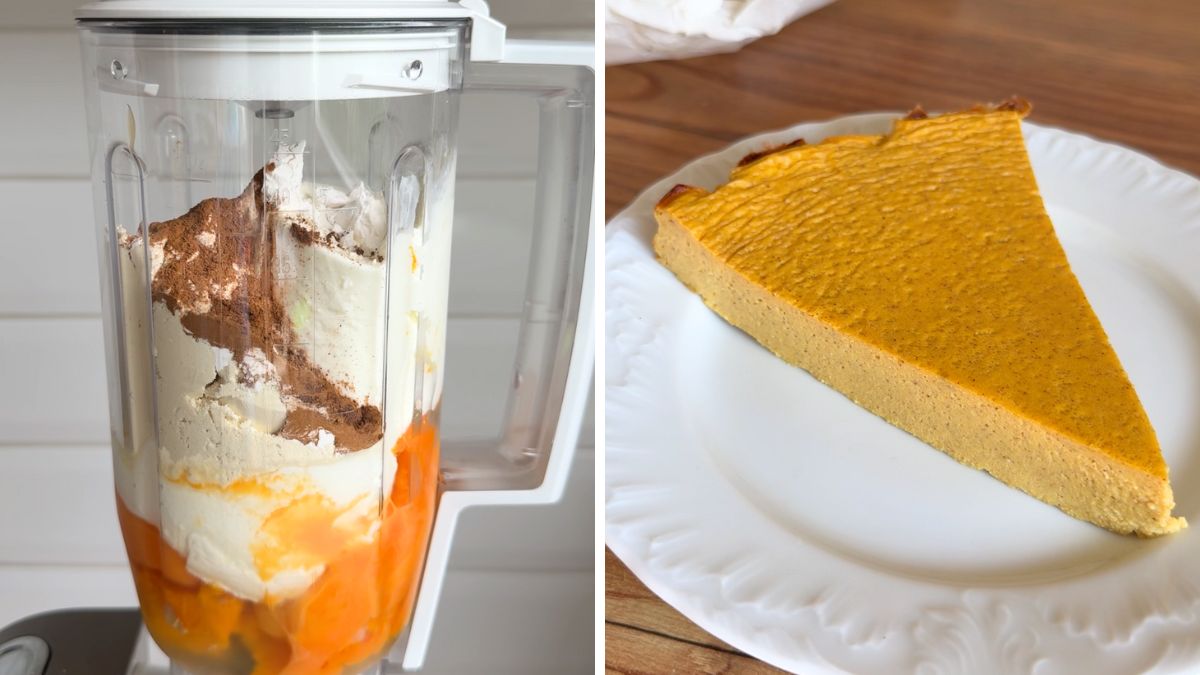
Unlocking the Secret to the Perfect High-Protein Pumpkin Cheesecake: A Healthier Fall Indulgence
As autumn leaves begin to fall and the air crisps, the quintessential flavor of pumpkin takes center stage. While traditional pumpkin cheesecake is a beloved classic, many of us are seeking ways to enjoy our favorite seasonal treats without derailing our healthy eating goals. Enter the high-protein pumpkin cheesecake recipe – a game-changer that combines the rich, creamy texture and warm spice of a classic with a significant nutritional upgrade. This isn't just about cutting calories; it's about intelligent ingredient swaps that boost protein, often reduce carbs, and leave you feeling satisfied, not deprived.
Imagine a dessert so decadent, so full of cozy fall flavors, yet so packed with protein that it could almost double as a guilt-free breakfast. That's the promise of a well-executed high-protein pumpkin cheesecake. We're going to dive deep into the essential ingredients, crucial baking techniques, and clever tips that will ensure your success, transforming your kitchen into a healthy dessert haven.
The Power of Protein: Why Your Cheesecake Needs a Nutritional Boost
Traditional cheesecakes, while undeniably delicious, often come laden with sugar and saturated fat from cream cheese, offering little in the way of beneficial macronutrients. A high-protein version fundamentally shifts this balance. By incorporating ingredients like skyr, cottage cheese, or even whey protein, we not only create a remarkably creamy texture but also infuse each slice with muscle-building protein. This makes your dessert more satiating, helps manage blood sugar levels, and supports overall well-being.
The beauty of these protein-rich dairy alternatives lies in their versatility. Skyr, a thick, strained yogurt, offers a velvety smoothness and a tangy note that brightens the pumpkin flavor. Cottage cheese, once blended until silky, becomes an undetectable hero, contributing a substantial protein punch (up to 12g per serving!) while keeping the cheesecake incredibly moist and rich. This innovative approach allows you to enjoy the comforting taste of fall without the usual heavy feeling. It’s a win-win for your taste buds and your health goals.
Essential Ingredients for Your High-Protein Pumpkin Cheesecake Recipe
Crafting the perfect healthy pumpkin cheesecake begins with selecting the right components. Here's a breakdown of the key ingredients and why they matter:
- Protein Powerhouses:
- Skyr: A superstar for its thick consistency and high protein content. It provides a luxurious base without the need for traditional cream cheese, contributing to a lower-carb profile.
- Cottage Cheese: The "secret ingredient" for many healthy cheesecake enthusiasts. When whipped in a high-speed blender or food processor, it transforms into an incredibly smooth, creamy, and protein-packed filling. It’s a fantastic substitute for cream cheese, delivering a richer, almost savory depth that complements the pumpkin beautifully.
- Whey Protein Powder: A scoop of vanilla-flavored whey protein not only boosts the protein content further but also adds a subtle sweetness and enhances the overall vanilla notes, creating a more complex flavor profile.
- Pumpkin Perfection:
- Roasted Butternut Squash (or Pumpkin): Roasting your own squash or pumpkin intensifies its natural sweetness and deepens its earthy flavor, adding a gourmet touch. About 1 cup of roasted squash is perfect.
- Canned Pumpkin Puree: A convenient and equally delicious alternative if you're short on time. Ensure it's 100% pure pumpkin, not pumpkin pie filling.
- Natural Sweeteners:
- Honey or Maple Syrup: These natural sweeteners offer a more nuanced flavor than refined sugar, perfectly complementing the autumnal spices. Honey provides a classic sweetness, while maple syrup adds an extra layer of fall-inspired warmth.
- Binding & Thickening Agents:
- Eggs: Essential for structure and setting the cheesecake, creating that characteristic custard-like texture.
- Cornstarch: A small amount helps to thicken the filling and ensures a smooth, stable consistency, preventing the cheesecake from becoming too runny.
- Aromatic Spices:
- Cinnamon, Ground Clove, Nutmeg, & Pumpkin Pie Spice: These warm spices are non-negotiable! They infuse the cheesecake with that comforting, nostalgic pumpkin pie flavor. Don't be shy; a good balance of these spices is what makes the dessert truly shine.
Mastering the Bake: Essential Tips for a Flawless High-Protein Pumpkin Cheesecake
Achieving cheesecake perfection requires attention to detail. These essential baking tips will help you avoid common pitfalls and ensure your high-protein pumpkin cheesecake is a resounding success:
- Prepping Your Pumpkin Base: If using fresh butternut squash, preheat your oven to 350°F (175°C). Cut the squash into chunks, spread on a baking sheet, and roast for about 40 minutes, or until fork-tender. This step is crucial for flavor development. If using canned pumpkin, you can skip this step and go straight to blending.
- Achieving Silky Smoothness: The key to a luxuriously creamy cheesecake, especially when using cottage cheese, is thorough blending. In a high-speed blender or food processor, combine your roasted squash (or canned pumpkin), skyr/cottage cheese, eggs, sweetener (honey or maple syrup), cornstarch, whey protein, and all your spices. Blend until the mixture is completely smooth and lump-free. For High-Protein Pumpkin Cheesecake with Cottage Cheese: Healthier Fall Treat, this step is particularly important to eliminate any cottage cheese curds.
- The Water Bath Technique: Your Crack Prevention Secret: This is arguably the most critical step for a beautifully smooth, crack-free cheesecake. Place your 9-inch cake pan (preferably a springform pan for easy removal) into a larger roasting pan. Pour boiling water into the larger pan until it comes halfway up the sides of your cheesecake pan. The water bath creates a steamy environment in the oven, ensuring the cheesecake bakes slowly and evenly, preventing the edges from cooking too quickly and cracking. If you skip this, cracks are almost inevitable.
- Baking to Perfection: Preheat your oven to 325°F (160°C). Carefully pour the blended mixture into your parchment-lined cake pan. Place the roasting pan with the water bath and cheesecake into the oven. Bake for approximately 35-45 minutes, or until the edges are set, but the center still has a slight wobble when gently shaken. Overbaking leads to a dry, cracked cheesecake, so keep an eye on it!
- The Art of Cooling and Chilling: Patience is paramount here. Once baked, turn off the oven and prop the door open slightly, allowing the cheesecake to cool gradually inside for about an hour. This slow cooling further helps prevent cracking. Then, remove it from the oven and let it cool completely at room temperature for another hour. Finally, transfer the cheesecake to the refrigerator and chill for at least 2-4 hours, or ideally overnight. This chilling period allows the cheesecake to fully set and firm up, making for clean, perfect slices. Slicing it too soon will result in a messy, unset dessert.
Variations, Substitutions, and Serving Suggestions
One of the joys of baking is the ability to customize! Here are some ideas to make your high-protein pumpkin cheesecake truly your own:
- Crust Creativity: While a classic graham cracker crust is always a hit, consider crushing Oreos, shortbread cookies, Nilla wafers, or Biscoff cookies for unique flavor profiles. For a truly lower-carb option, you could even make a nut-based crust or go crustless entirely.
- Dairy Alternatives: If skyr or cottage cheese isn't available, you can experiment with ricotta cheese, keeping in mind the texture and taste will differ slightly. For those looking to Bake a Lower Carb High-Protein Pumpkin Cheesecake (No Cream Cheese!), these substitutions are key.
- Sweetener Swaps: Beyond honey and maple syrup, you can also use dates blended into a paste or a high-quality sugar substitute if you're strictly managing carb intake.
- Flavor Enhancers: A splash of vanilla extract, a pinch of ginger, or even a touch of black pepper can elevate the pumpkin spice notes. Orange zest can add a bright, fresh counterpoint.
- Elegant Toppings:
- Brown Sugar Swiss Meringue: A light, airy, and stunning topping that adds a touch of elegance without overwhelming the cheesecake's flavor.
- Lightly Sweetened Whipped Cream: A classic, simple, and delicious choice.
- Toasted Pecans or Walnuts: Add a lovely textural contrast and nutty flavor.
- Chocolate Shavings or Drizzle: For the chocolate lovers, a fine grating or light drizzle can be irresistible.
- Extra Dusting of Cinnamon: A simple yet effective finish.
Once baked and thoroughly chilled, your high-protein pumpkin cheesecake can be stored in the refrigerator for up to 5 days, or frozen for up to 3 months for a future treat. Wrap it tightly to prevent freezer burn.
Conclusion: Your Healthier Cheesecake Journey Begins
Embracing a healthier lifestyle doesn't mean sacrificing your favorite indulgences. This high-protein pumpkin cheesecake recipe stands as a testament to the fact that delicious, creamy, and satisfying desserts can also be incredibly nutritious. By choosing smart ingredients like skyr or cottage cheese, utilizing proper baking techniques like the essential water bath, and allowing for adequate chilling, you can create a masterpiece that will impress your guests and nourish your body. So, gather your ingredients, preheat your oven, and prepare to delight in a guilt-free fall treat that you'll want to make again and again!
